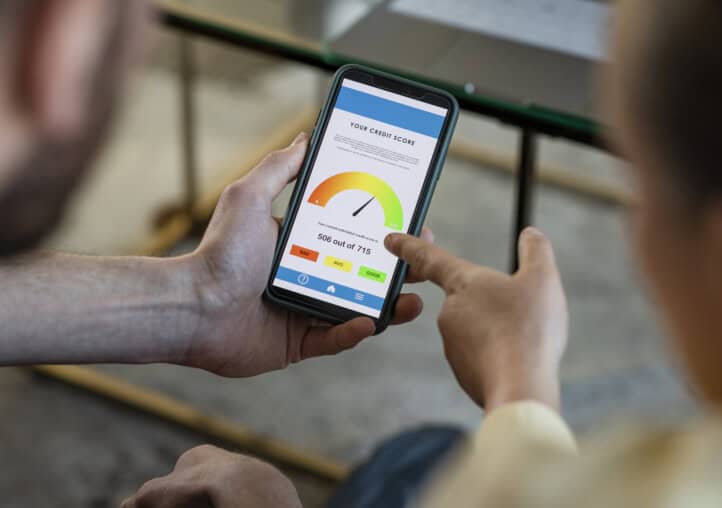
Life can throw you off track; from an unexpected bill, an injury, a separation, or simply the rising cost of living. If you’re juggling multiple debts (like credit cards and personal loans), it can start to feel hard to keep up.
If you own a property, you may be able to use equity to consolidate other debts. The idea is to withdraw your equity to pay off higher-interest debts, like personal loans or credit cards. This moves the credit balance into your home loan, meaning you’ll just have one payment to make and may allow you to potentially reduce the interest paid each month. It’s a common tactic to help manage cashflow and access equity that’s built up in your property.
Consolidating debt into your home loan usually happens in one of two ways:
- Refinance your home loan and borrow extra funds (cash-out) to pay off eligible debts.
- Increase (top up) your existing home loan using available equity, then use the extra funds to pay off other debts.
Because the interest rate charged on a home loan is often lower than a credit card or unsecured personal loan, debt consolidation can reduce your interest charged on that portion of debt. Just keep in mind: if you stretch the debt over a longer period, you could pay more interest overall, even with a lower rate.
Here’s how debt consolidation in your home loan works:
- Refinance your home loan
When you use your home loan to consolidate debt, you pay off your credit cards, personal loans and other debts with funds withdrawn from your home loan. That means that the money you owe on your home increases, while all your other debts are paid off.
- Get one monthly repayment
This may help streamline your finances by reducing the amount of bills you’ll need to pay each month. Instead of managing repayments for a personal loan, home loan and credit card separately, you’ll just need to make your home loan repayment.
- Reduce your monthly repayments
Consolidating debts may also reduce your monthly interest charges, especially if you’re moving high-interest debt (like credit cards) into a lower-rate home loan. Whether your repayments go down will depend on the loan amount, interest rate and term; so it’s a good idea to compare scenarios before you apply.
Things to consider before consolidating debt
Like any financial move, there are some risks involved with refinancing to consolidate debt. The most common misconception is that a lower interest rate means you’ll pay less interest over the full term of your loan, but this isn’t necessarily true. It all depends on how quickly you’re able to pay off the debt. Here are some things to think about:
- Are there any high break fees involved that would cancel out any savings?
- Will your monthly repayments decrease?
- The total interest charged over the course of your loan term
- The term of your home loan versus other debts, and additional interest that may be charged.
- Are there costs involved with transferring debt to your home loan?
When done right, refinancing your home loan to consolidate debt can save you money, reduce your monthly repayments, and help you get your debt paid off faster.
Is debt consolidation the right option for you?
If you’re already struggling to make repayments on your existing debts, you run the risk of falling even further behind when things get tough. Using your home loan to consolidate debt isn’t for everyone, but to find out if it’s a good option for you:
- Put all your debts on the table. Go through each of your debts, write down the total amount, interest rate, current repayments, and the time it will take you to pay it all off.
- Assess your monthly income and expenses. See if there’s anywhere you can cut back or free up extra funds. Determine how much you need to reduce your monthly debt repayments to get your head back above water.
- Use an online calculator. Now’s the time to figure out what your best option is. Try our home loan repayment calculator to figure out how adding to your mortgage balance will change your monthly repayments.
- Speak to a financial advisor. It’s a good idea to seek professional advice before making any decisions by discussing your particular circumstances with a financial advisor.
- The National Debt Helpline offers free, confidential and independent advice from financial counsellors for people who might be experiencing financial stress or just need help to deal with financial difficulties. Visit their website www.ndh.org.au or call 1800 007 007
Less debt, less stress?
Out of control debt can feel like a grey cloud constantly hanging over your head. Problem is, sometimes life can get in the way, and it can feel like you’re constantly taking one step forward – then three steps back. Using your home loan for debt consolidation might provide you with a way to financial freedom.
If you think debt consolidation could be right for you, Bluestone may be able to help. Depending on your circumstances, we may consider a range of debts as part of a debt consolidation request, including some ATO-related debts and private loans.
Find a broker near you
Speak to a broker today about refinancing for debt consolidation and whether a Bluestone home loan could suit your situation.
The information provided in this article is general in nature and has been prepared without considering your requirements, objectives or financial situation. Bluestone Home Loans are administered by Bluestone Servicing Pty Ltd ACN 122 698 328, Australian Credit Licence 390183 on behalf of the Credit Provider, Permanent Custodians Ltd ACN 001 426 384. All loans are subject to suitability and credit assessment. Fees, terms, conditions, and lending criteria apply.