Are you self-employed? Wondering if you may be eligible for a construction loan? Worried about the income verification requirements?
Eligible borrowers applying for a Bluestone Home Loans Alt Doc construction loan may be able to verify their income using one accepted form of evidence, subject to lending criteria and assessment.
In this article, we’ll cover common questions such as;
- How a construction loan releases funds
- If self-employed borrowers can verify income
- If an accountant’s letter or other documentation count as income verification?
- Does alt doc mean no documentation?
What is an Alt Doc construction loan?
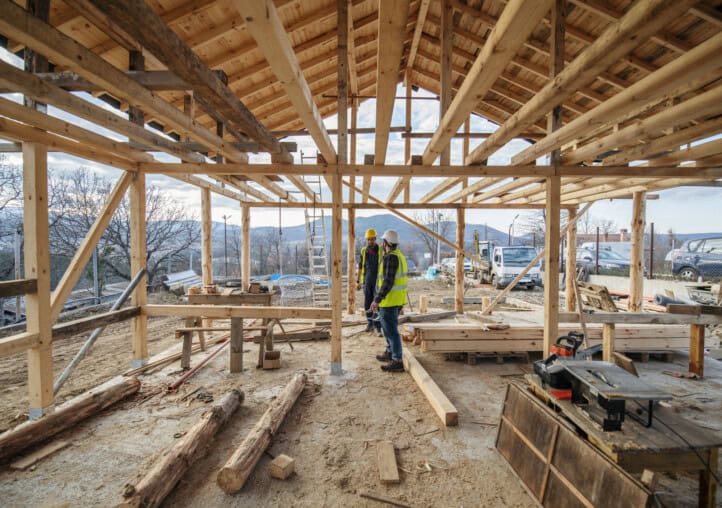
A construction loan is designed to finance the construction of a home. Instead of advancing the entire approved amount at once, the lender generally releases funds through progress payments as construction reaches agreed stages.
These stages may include:
- Deposit or commencement
- Base or slab
- Frame
- Lock-up
- Fixing
- Completion
The stages and evidence required can vary according to the building contract, project and lender’s requirements.
An Alt Doc construction loan works in a similar way, but it offers eligible self-employed borrowers an alternative method of verifying their income. This may help when conventional documents, such as recent payslips or complete financial statements, are unavailable or do not accurately reflect the current performance of the business.
Which income documents may Bluestone accept?
Eligible self-employed borrowers applying for a Bluestone Alt Doc construction loan may be able to verify their income using one accepted form of evidence, subject to Bluestone’s current lending criteria and assessment.
Depending on the application, that evidence may include:
- An accountant’s letter
- Six months of Business Activity Statements
- Business bank statements
- Tax returns
For example, a business owner whose latest tax return does not reflect more recent trading performance may be able to use another accepted verification method. The appropriate document will depend on the borrower’s business structure, financial position and circumstances.
Alt Doc does not mean “no documentation.” Applicants may still need to provide information confirming their identity, assets, liabilities, living expenses and ability to meet the proposed repayments.
Can construction finance be harder to get when you’re self-employed?
Salaried borrowers can generally demonstrate income through payslips and employment records. Self-employed income can be more complex.
A sole trader, contractor or company director may experience seasonal revenue, reinvest profits in the business or claim legitimate expenses that reduce taxable income. The most recent tax return might also relate to an earlier period and may not show how the business is currently performing.
Alt Doc lending provides another way for eligible borrowers to present their income for assessment. It does not remove the lender’s responsibility to assess whether the loan is suitable or whether the borrower can afford the repayments.
What other documents may you need?
In addition to income evidence, a construction-loan application may require:
- A signed building contract
- Approved building plans and specifications
- A progress-payment schedule
- Builder details and relevant insurance
- Council approvals or permits
- Evidence of your deposit or available equity
- Details of assets, liabilities and regular expenses
A property valuation may also be required. This generally considers the land and the proposed improvements to estimate the property’s value once construction is complete.
Requirements vary, and further information may be requested during assessment.
How do you apply for a self-employed construction loan?
1. Review your budget
Consider your income, existing debts, everyday expenses, savings and available equity. Your budget should also allow for expenses outside the building contract, such as site works, landscaping, professional fees and contract variations.
2. Select your income evidence
Speak to your broker to understand if Alt-doc income verification is required for your application. Identify which accepted document provides the clearest current picture of your business income. A mortgage broker can help you understand which option may be appropriate, but Bluestone will make the final assessment.
3. Prepare your construction documents
Collect your plans, approvals, building contract and progress-payment schedule. Incomplete or inconsistent documents can delay the application or affect the amount available for the project.
4. Complete the assessment and valuation process
Bluestone will assess your financial circumstances, proposed construction and supporting documents against its lending criteria. A valuation may be arranged as part of this process.
5. Manage changes carefully
Cost increases and building variations can place additional pressure on your budget. Discuss significant contract changes or new credit commitments with your broker or lender before proceeding.
Frequently asked questions
Do self-employed borrowers need two years of tax returns?
Not always. Eligible borrowers applying for a Bluestone Alt Doc construction loan may be able to verify income using one accepted form of evidence, such as an accountant’s letter, six months of BAS, business bank statements or tax returns. Requirements depend on the application and current lending criteria.
Can a sole trader apply for a construction loan?
A sole trader may be eligible to apply. Eligibility will depend on factors including income, expenses, liabilities, credit history, deposit or equity, and the proposed construction project.
Is Alt Doc the same as a no-document loan?
No. Alt Doc lending still requires income verification and other supporting information. It offers alternative forms of income evidence for eligible self-employed borrowers.
What happens if building costs increase?
You may need to fund variations or costs not covered by the approved facility. Maintaining a contingency buffer and reviewing proposed changes before agreeing to them can help reduce the risk of a funding shortfall.
Turn your building plans into a finance plan
Self-employment does not automatically put construction finance out of reach. Bluestone’s Alt Doc construction lending may give eligible borrowers a more practical way to verify their income using one accepted form of evidence.
Speak with an accredited mortgage broker to discuss your project, confirm current product requirements and determine whether a Bluestone construction loan may suit your circumstances.
This information is general only and does not take into account your objectives, financial situation or needs. Lending criteria, terms, conditions, fees and charges apply. Approval is not guaranteed and is subject to assessment. Product requirements may change. Consider whether the product is appropriate for you and seek professional advice where required.